Objective
Define whether the question concerns process monitoring, dissolved hydrogen, field comparison, retention or visual phase behaviour.
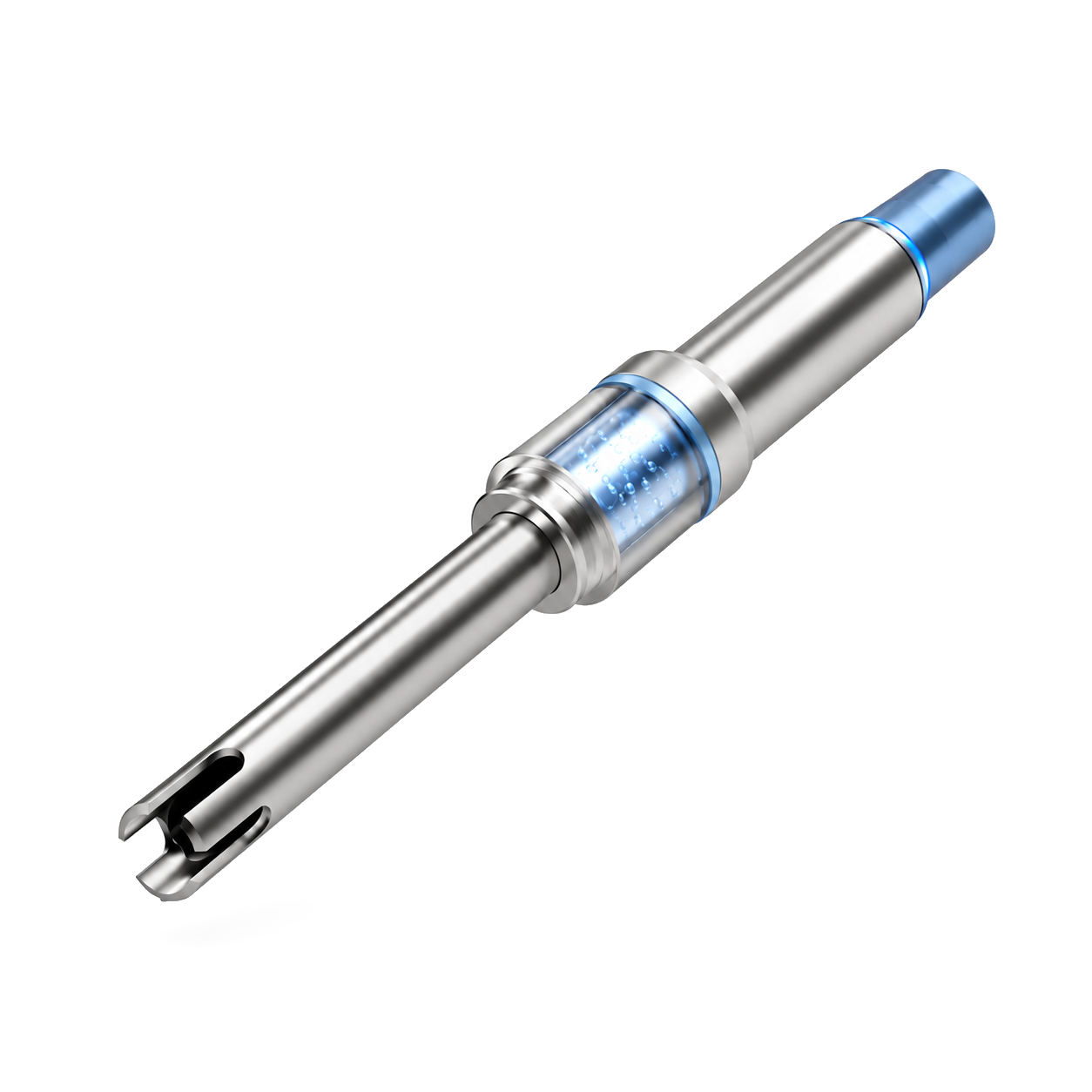
Two methods can evaluate the same sample and report very different results without measuring precisely the same characteristic. A chemical reagent, portable field meter and inline sensor may each operate according to a different measurement principle, response range and sampling condition.
Before comparing values, it is therefore necessary to understand what the method is designed to detect, how the sample was taken and whether hydrogen remained dissolved, was present in a gaseous microbubble phase or changed during measurement.
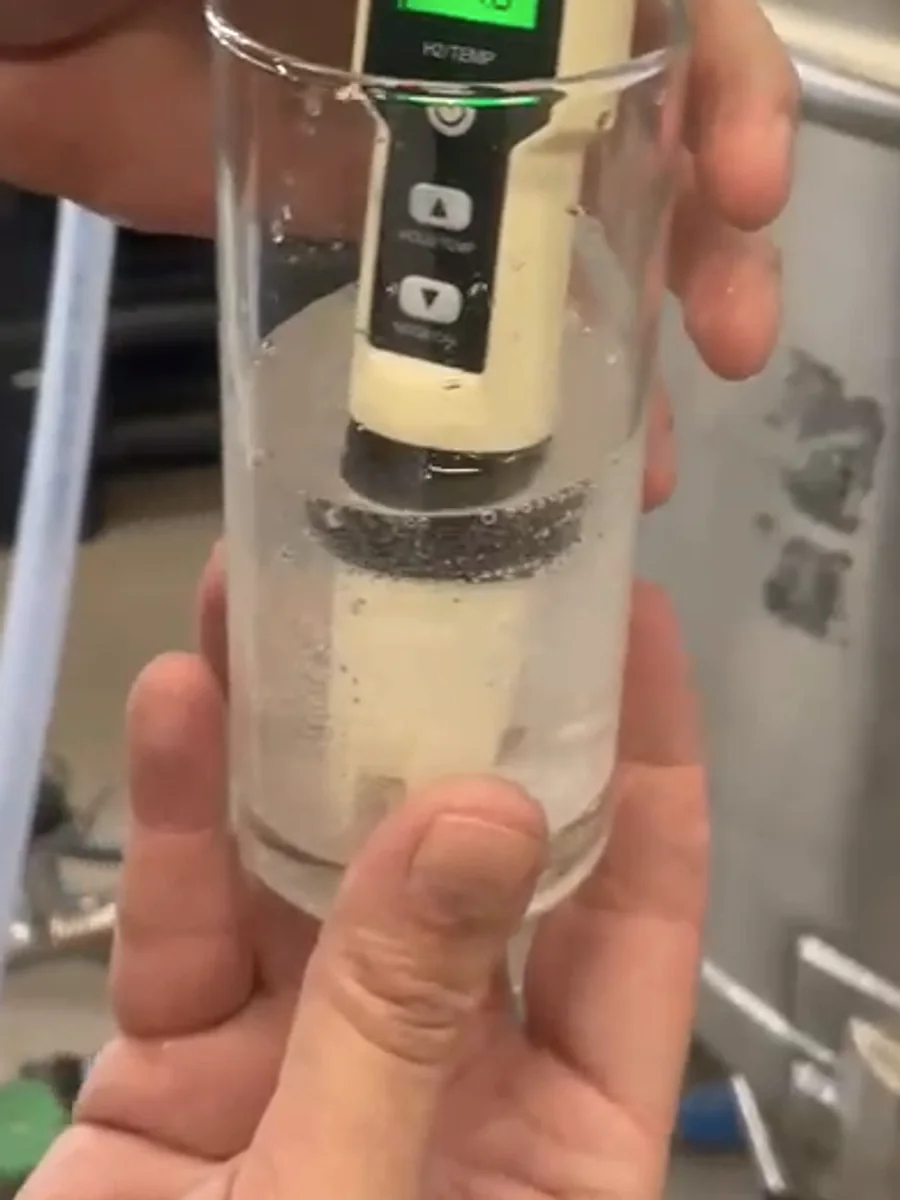
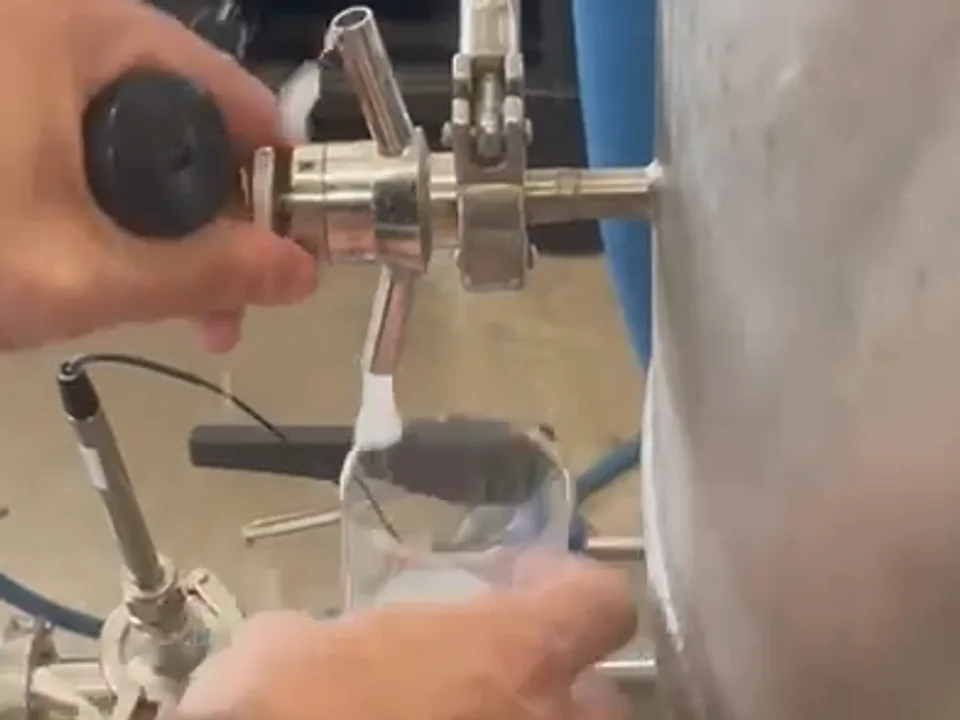
The following public crops are derived from confidential internal source videos. They are presented as documentary stills only: no complete video, audio, production route, batch detail or instrument metadata is published.

The apparent difference is not automatically a contradiction. It demonstrates why hydrogen measurements must be interpreted within the context of the analytical method and sampling conditions used.
Hydrogen-rich systems can change during transfer. The practical sequence matters because pressure, sample handling, delay and bubble behaviour can all affect what a field method sees.
No single instrument should be treated as a complete explanation without considering what it is designed to measure, where the sample was taken and how quickly the method responds.
Hydrogen dissolved at the molecular level is invisible. In selected THIC-developed hydrogen systems, the beverage also contains a substantial population of visible microbubbles filled with hydrogen gas.
These microbubbles create the characteristic white or foggy appearance seen immediately after sampling or opening. Their presence is relevant because they represent a physical hydrogen phase that may behave differently from dissolved hydrogen during transfer, sensor contact and chemical testing.
Visible microbubbles are not used as a standalone concentration measurement. They are an observable part of the sample and help explain why measurement method and sample handling matter.
A sample taken from a pressurised process is no longer under exactly the same conditions as the liquid inside the vessel. Pressure reduction, transfer, agitation, container geometry and delay before testing can all influence the form and distribution of hydrogen.
For this reason, a reliable comparison requires a controlled protocol rather than only placing different devices into an open sample. Sampling is part of the measurement system, not an administrative step after it.
The Hydrogen Innovation Company does not treat a hydrogen value as meaningful without understanding how it was produced. Every result must be connected to the instrument, method, measurement environment and handling protocol.
This approach supports technology development, production control, packaging validation and the evaluation of hydrogen performance throughout the product lifecycle.
Define whether the question concerns process monitoring, dissolved hydrogen, field comparison, retention or visual phase behaviour.
Record the sensor principle, range, calibration status, measurement location and documented limitations.
Control pressure, temperature, transfer, delay, container geometry and visible bubble behaviour.
Compare results only when the method and sampling protocol are sufficiently controlled and repeatable.
Hydrogen values can change quickly when the physical system changes. THIC evaluates measurement alongside the variables that shape what the instrument is actually seeing.
Measurement is not an isolated laboratory activity. It explains hydrogen behaviour, informs process design and helps determine whether a technical result can become repeatable production performance.
Measurement values shown on this page relate to specific controlled tests, instruments and process conditions. Results may vary according to calibration, sensor specification, sampling protocol, temperature, pressure and time after collection.
Visible microbubbles demonstrate the presence of a gaseous phase but are not, by themselves, a quantitative measurement of hydrogen concentration. The purpose of this material is to explain why analytical context matters when evaluating hydrogen-rich systems.
The Hydrogen Innovation Company develops hydrogen technologies through controlled measurement, process understanding and repeatable engineering.