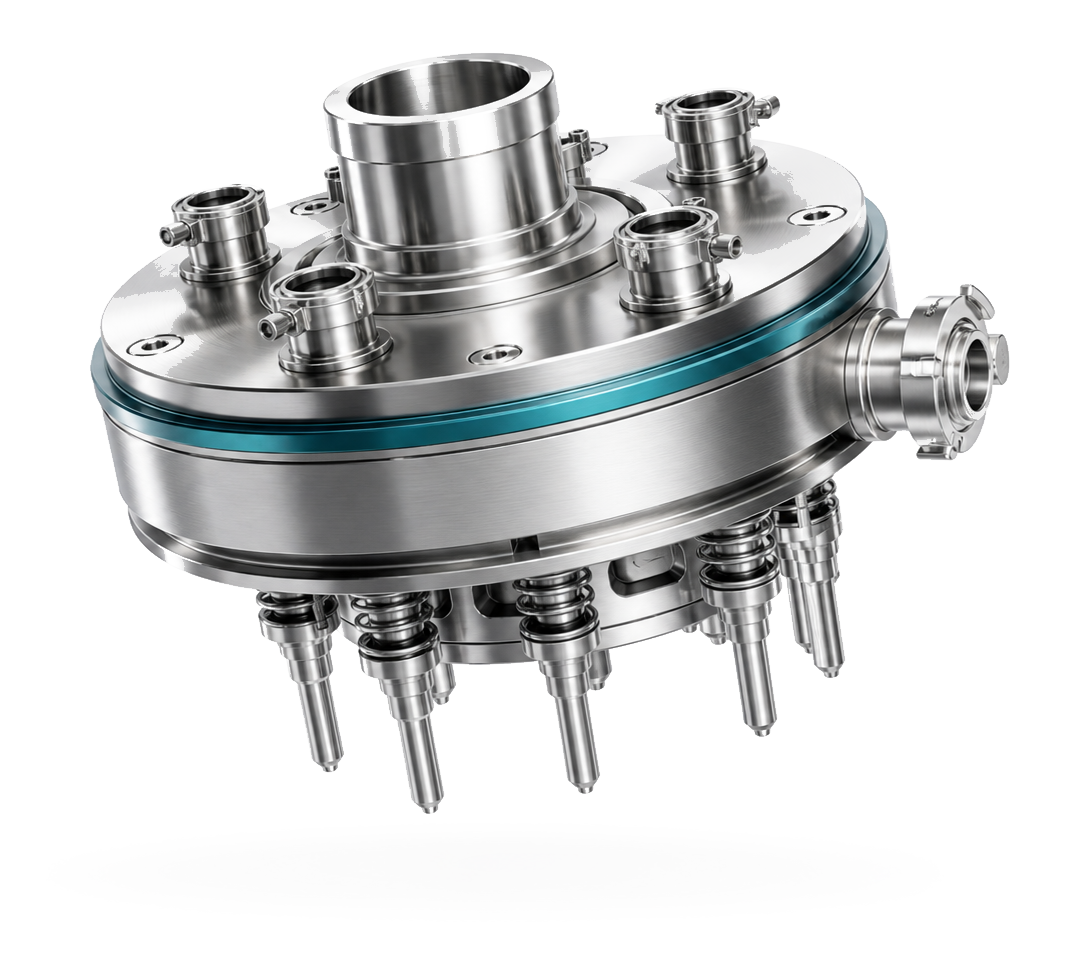
Controlled input.
Water preparation reduces avoidable variation before hydrogen is introduced into the system.
Read water preparation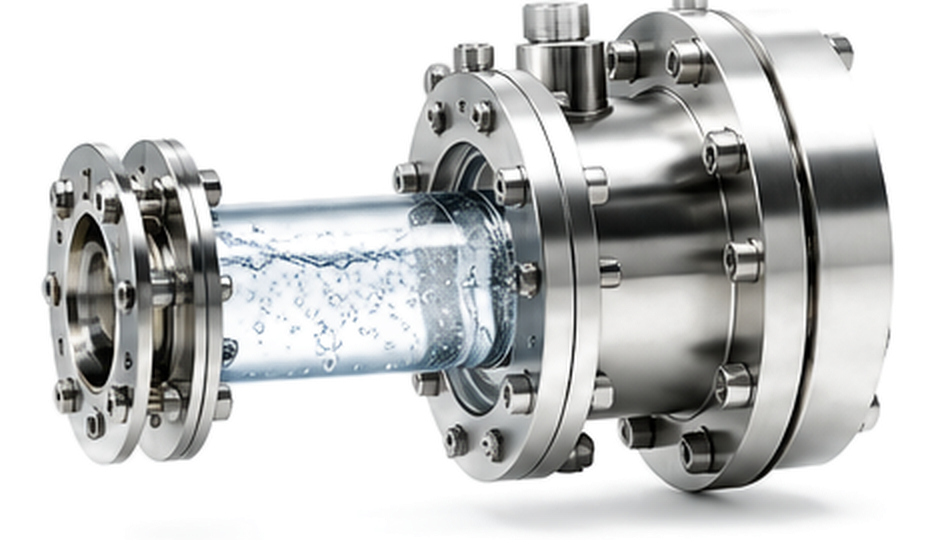
Hydrogen performance depends on the relationship between multiple stages. A single infusion device cannot define the final result if the water input, process conditions, measurement timing, packaging behaviour and filling method are not controlled around it.
THIC therefore designs the technology as an integrated chain. Each stage has a defined role, each parameter sits within a documented operating context, and each result can be checked against the scientific framework that sits underneath the platform.
The technology page follows the full chain from prepared water to controlled hydrogen output. Each function is useful only when it supports the next one.
Water preparation reduces avoidable variation before hydrogen is introduced into the system.
Read water preparationGas introduction, pressure, temperature, contact and time are treated as controlled parameters.
Read infusion methodInline and offline checks convert operating conditions into data that can guide control decisions.
Read measurement controlWater preparation establishes the initial condition for hydrogen technology. Source input, filtration, temperature and handling can influence downstream behaviour, so THIC treats preparation as an engineered stage rather than a preliminary task.
The objective is consistency. When water input is stable, process changes can be interpreted with more confidence, measurement results can be compared across runs, and manufacturing teams can begin production from a defined baseline instead of a variable starting point.
Hydrogen introduction depends on gas contact, pressure, temperature, recirculation and process timing. These variables are managed together so the system can be developed without exposing unnecessary proprietary settings or treating a single number as the full technology.
THIC uses the infusion stage to translate scientific targets into operating parameters. The reactor is part of that system, but the meaningful engineering sits in how the surrounding process is prepared, monitored, measured and handed into the next stage.
Technology becomes reliable when process feedback is available. THIC combines inline monitoring, offline measurement and production checks so hydrogen concentration and supporting conditions can be reviewed while the process is being developed and operated.
Measurement does not replace engineering judgement. It gives the team a controlled way to see whether the process is moving inside the intended range, whether adjustments are needed and whether later quality checks agree with the system state recorded during production.
Dissolved molecular hydrogen readings tied to process stage and timing.
Input and fill-temperature context for interpreting process behaviour.
Operating context recorded without exposing sensitive process settings.
Data used to compare runs, refine settings and support production release.
Hydrogen stability is influenced by more than the infusion event. Dissolved gas retention can be affected by temperature, pressure history, headspace, packaging compatibility, closure behaviour, storage and distribution conditions.
THIC treats stability as part of the engineered process. The system must protect concentration as liquid moves from preparation through filling, packaging and release. That makes packaging decisions, production timing and quality verification part of the technology story rather than separate commercial details.
Filling is where a controlled liquid process becomes a product that has to survive handling. The transition from pressurised or conditioned liquid into packaging must be managed so concentration, temperature, hygiene and closure integrity remain within the intended operating frame.
THIC designs technology with manufacturing in mind. Filling conditions, packaging selection and quality checkpoints are connected to upstream process data, allowing the technology to support commercial output rather than remain a laboratory demonstration.
Application titleMethod and System for High-Retention Hydrogen Infusion and Controlled Filling of Beverages
The Hydrogen Innovation Company B.V. has filed a European patent application covering proprietary production technology for hydrogen beverages. The application forms an important part of THIC's intellectual property strategy and supports the company's long-term technology, manufacturing and commercialisation model.
The application relates to an integrated production process designed to improve hydrogen retention and manufacturing consistency through coordinated process engineering and controlled production methods.
The patent application forms part of THIC's intellectual property portfolio and supports future partner production and licensing pathways for commercial hydrogen beverage production.
The technology is organised around connected equipment and documented operating states. Pumps, vessels, mixers, sensors, cooling, filling and process-control routines must support the same target rather than behave as isolated modules.
Defined input and equipment readiness create the starting condition.
Hydrogen is brought into contact under controlled process conditions.
Contact and timing are managed as part of a repeatable operating sequence.
Readings confirm whether the process is moving within defined expectations.
Filling and closure are connected to stability and quality requirements.
Production and quality data feed the next improvement cycle.
THIC technology can be deployed through contract manufacturing, professional hydration solutions or licensed partner production. The technology is the capability; each commercial route applies it to a different operating need while remaining tied to measurement, validation and long-term technical support.
Discuss a Hydrogen SystemCompanies developing hydrogen beverage applications can work with THIC where the opportunity needs controlled inputs, measured concentration, repeatable process design, manufacturing readiness and long-term technical support.
Discuss Technology