Assess
Review facility, application, packaging and technical readiness.
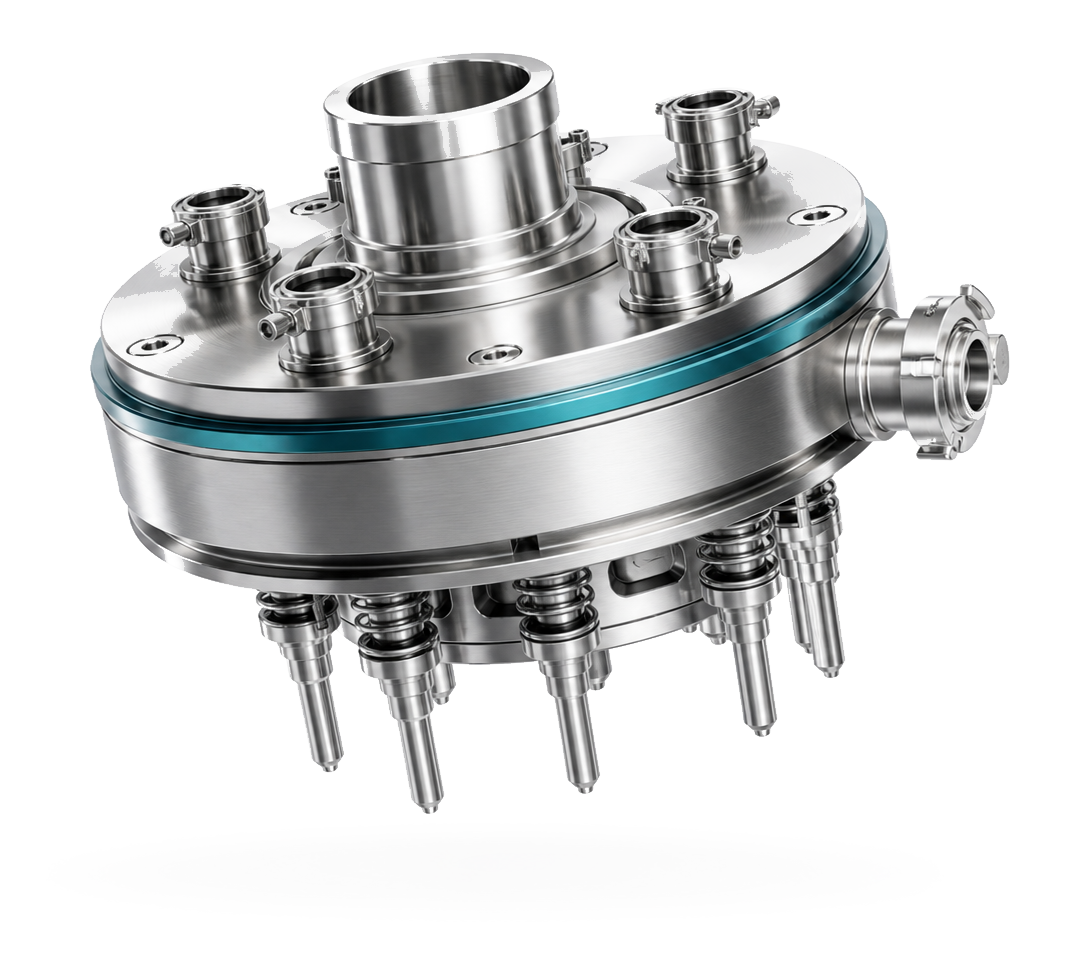
Before a production route is proposed, THIC reviews the partner’s facility context, product requirements, packaging format, quality expectations, operator capability and intended market use.
This assessment defines whether the opportunity should proceed as licensing, OEM production, technical implementation, partner manufacturing or a more limited development project.
The implementation pathway is structured enough to be repeatable but flexible enough to adapt to partner facilities, applications and commercial responsibilities.
Review facility, application, packaging and technical readiness.
Set the product, process and validation requirements.
Translate THIC technology into a suitable system design.
Connect equipment, instrumentation and production workflow.
Bring the system into controlled operating readiness.
Confirm performance through measurement and quality records.
Prepare operators to follow the documented process.
Move into production under agreed release criteria.
Review production data, issues and optimisation needs.
Implementation can involve water preparation, hydrogen infusion, measurement, transfer, filling, packaging, control routines and quality documentation. THIC explains this at a high level publicly and defines exact settings only inside approved technical work.
The practical result is a production system where each stage has a purpose, a responsible operator, a measurement context and a route for review.
Validation connects the implementation to scientific and operational evidence. Hydrogen measurement, packaging behaviour, production records, sample handling and repeatability checks are reviewed within the agreed protocol.
Validation does not turn one successful run into a universal claim. It defines what has been shown under the specific conditions of the implementation.
Measurement method, timing and sampling context.
Production record, deviations and release checks.
Packaging behaviour and retention review.
Comparison across controlled production runs.
Operators need clear routines, documentation and escalation paths. THIC supports training around process stages, measurement handling, production records, quality checks and practical decision points.
How to prepare, operate and record the process.
How to measure, document and review the production result.
Once production starts, THIC can support review cycles, troubleshooting, measurement interpretation, quality-documentation updates and optimisation work. This is what turns a licensed process into an operating relationship.
Discuss Your Production Project